
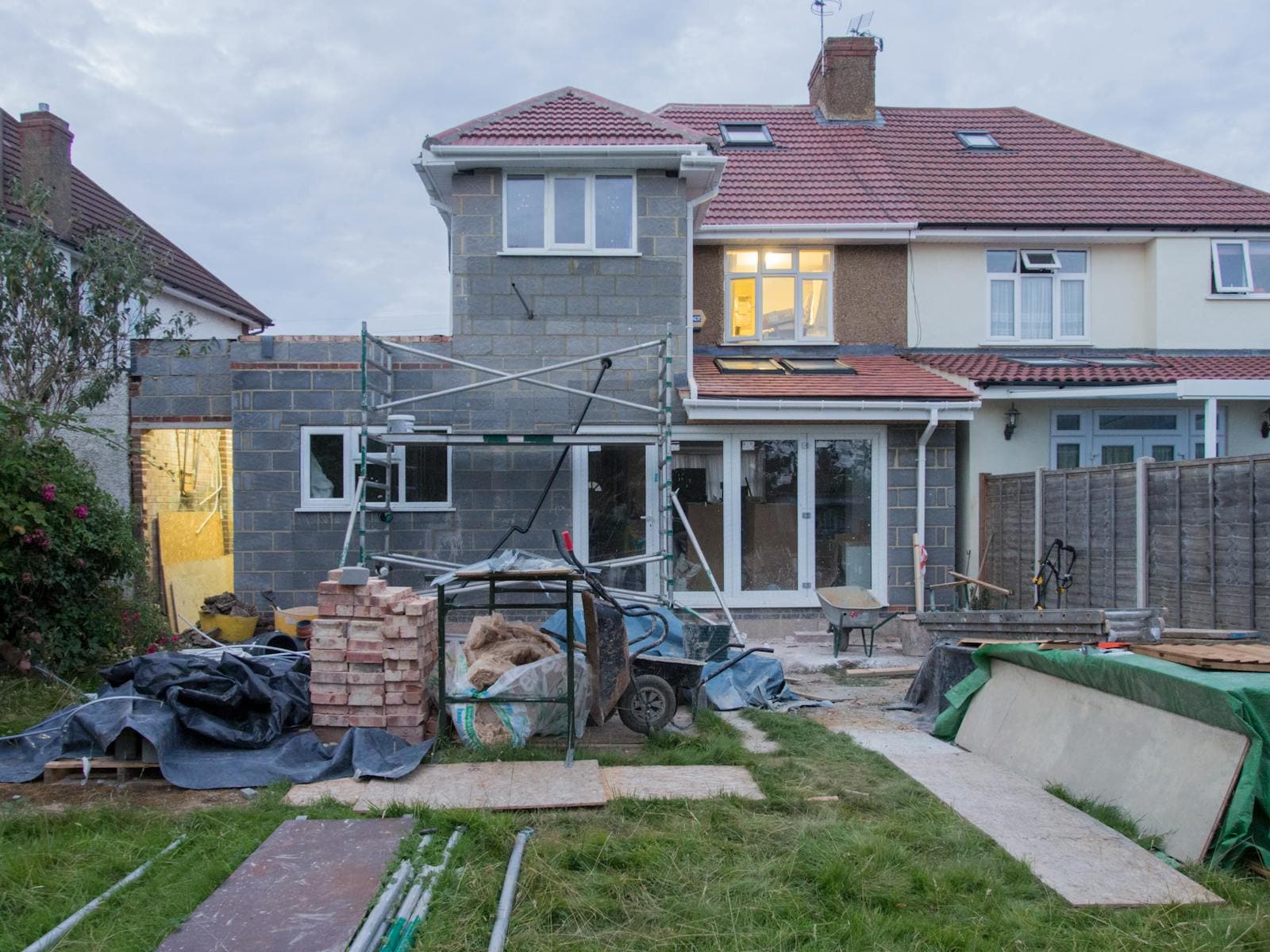
Party wall disputes often arise at the point where property rights, building works, and neighbour relationships collide. A homeowner wants to extend. An adjoining owner worries about damage, access, noise, or loss of support. Surveyors may be appointed, notices may be challenged, and the relationship can deteriorate quickly.
The Party Wall etc. Act 1996 provides a statutory framework, but it does not remove the human tension. Mediation can help when the formal process has become stuck or when the dispute has expanded beyond the narrow technical issues in the award.
What Party Wall Disputes Usually Involve
Common issues include:
- whether proper notice has been served
- the scope and timing of proposed works
- access for contractors or surveyors
- alleged damage caused by works
- security for expenses
- disagreements between appointed surveyors
- concerns about noise, disruption, and working hours
- related boundary or right of way issues
Some disputes are technical. Others are driven by a loss of trust. In many cases both are present.
Why Mediation Can Help
The formal party wall process can determine some issues, but it may not deal with the full neighbour dispute. Mediation allows the participants to discuss the practical arrangements around the works, the history of the disagreement, and the terms needed to rebuild confidence.
That matters because the parties will usually remain neighbours after the work is complete. A hard-fought technical process may produce an award, but it may not produce a workable relationship.
Mediation is confidential and flexible. It can take place alongside the statutory process, provided the parties take advice where needed and do not miss formal deadlines.
When Mediation Is Suitable
Party wall mediation is particularly useful when:
- works are being delayed by mistrust or poor communication
- there are linked boundary, access, drainage, or damage issues
- surveyor correspondence has become entrenched
- the parties need practical ground rules for works
- alleged damage needs a commercial resolution
- legal and surveyor costs are becoming disproportionate
- a sale, remortgage, or project timetable is at risk
It is also useful where the dispute is less about the legal right to build and more about how the work will be carried out.
When Urgent Advice May Be Needed
You should take urgent advice from a solicitor or party wall surveyor if:
- works are about to start without notice
- there is risk to structural support
- an injunction may be needed
- there is significant property damage
- limitation periods or court deadlines are relevant
- you are unsure whether a notice or award is valid
Mediation works best when participants understand their rights and options before they negotiate.
What Mediation Can Achieve
A mediated settlement might include:
- agreed working hours and access arrangements
- communication protocols during works
- a timetable for inspections
- payment or repair terms for damage
- security or retention arrangements
- limits on contractor access
- arrangements for scaffolding, hoarding, or temporary protection
- a process for dealing with future issues quickly
These practical terms can make the difference between a project that proceeds with manageable disruption and a dispute that becomes litigation.
The Role of a Property Specialist Mediator
Party wall disputes benefit from a mediator who understands property law, title issues, neighbour dynamics, and the practical pressures around building work. The mediator does not replace the appointed surveyors or provide legal advice, but specialist understanding helps the mediator ask better questions and test unrealistic positions.
Harvey Harding mediates boundary and party wall disputes with a focus on practical settlement. The aim is not to decide who is right in every historical disagreement. It is to reach terms that allow the parties to move forward.
Preparing for Mediation
Useful documents usually include:
- party wall notices and responses
- any award or draft award
- photographs of the relevant structures
- surveyor correspondence
- contractor proposals or method statements
- evidence of alleged damage
- any relevant title plans or boundary documents
The material should be focused. A clear summary of the real obstacles is more useful than a large bundle of every email exchanged.
Next Steps
If a party wall dispute is delaying works or damaging a neighbour relationship, mediation can provide a faster, more private route to resolution. Read more about how mediation works, review our fees, or contact us to discuss suitability.
This article is general information only and is not legal advice. Party wall rights and obligations can be technical, and you should take advice from a qualified professional on your specific position.